

Serving Shrewsbury and Worcester County
Driveway Paving & Sealcoating in Shrewsbury, MA
Shrewsbury driveways are longer than Worcester driveways and that changes the math on almost every job. A 900 square foot drive and a 2,400 square foot drive are not the same project scaled up, they need different equipment, different staging and a different approach to drainage. Most of what we do here is resurfacing drives that were put in when the subdivisions went up and have reached the end of a normal service life.
- MA HIC Registered
- Licensed & insured
- MassDOT Section 460 mix
- Residential driveways
- 1 year workmanship warranty
Part of our Worcester County service area.
Free estimate
Book a Shrewsbury estimate
We come out, measure the drive, look at the grade and the drainage and check what the base is doing, then send a written itemised quote within 24 hours. No charge and no obligation attached to it.
- On site, not over the phoneWe look at the actual driveway before quoting it.
- Written and itemisedCompare it line by line against anyone else's number.
- Booked 2 to 4 weeks outStart and finish dates confirmed before we take a deposit.
Rather talk it through? Call (774) 263-7044.


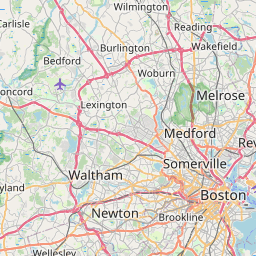
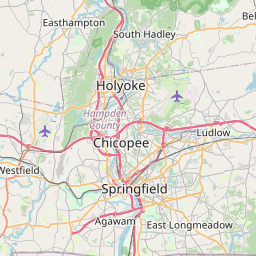
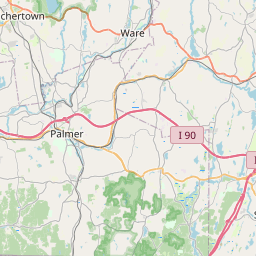
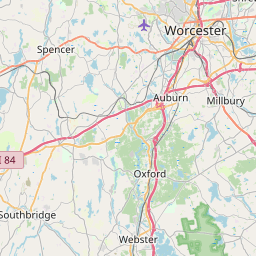
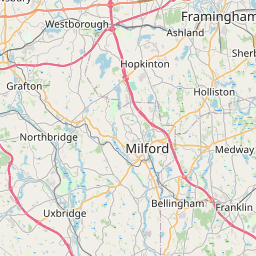

Where we work in Shrewsbury
Shrewsbury neighbourhoods and roads
- Edgemere
- Lake Quinsigamond
- Prospect Street
- Boston Turnpike
- South Street
- Grafton Street
Main routes we work off: Route 9, Route 140, Route 20, Main Street, Hartford Turnpike.
Serving Shrewsbury from
24 Everard St
Worcester, MA 01605
Covering Shrewsbury, MA 01545 in Worcester County
Local conditions
What It Takes to Pave a Driveway in Shrewsbury
Shrewsbury driveways are long, and length changes how they fail. Water travels the whole run before it goes anywhere, so a flat crown produces a cracked strip down the middle rather than a general decline.
Massachusetts sets its frost depth at 48 inches, and that number governs more of a driveway than most homeowners realise. A driveway does not have footings, so nothing has to physically reach four feet. What matters is that the frozen zone extends that deep, and anything the frost can lift, it will. That makes the base and its drainage the entire structural argument. A surface laid over a shallow or poorly draining base is not a driveway with a short life, it is a seasonal machine for opening cracks.
The material itself is specified rather than generic. Hot mix asphalt in this state is produced to the MassDOT Standard Specifications, Section 460, using Superpave mix designs graded by nominal maximum aggregate size. A residential driveway surface is normally a 12.5 mm Superpave mix; where a binder course is warranted underneath, that is typically 19.0 mm. The sizes are not cosmetic. Dense graded asphalt needs a compacted lift at least three times the nominal maximum aggregate size to compact properly, so a 12.5 mm surface wants roughly an inch and a half minimum and a 19.0 mm binder wants closer to three. Lay a coarse mix too thin and the stone cannot lock together, which produces a mat that ravels from the first winter regardless of how good it looked on day one.
Compaction is where most of the difference between a fifteen year driveway and a five year one actually lives, and it is invisible by the time you see the finished surface. Hot mix arrives at roughly 275 to 300 degrees and stops taking compaction somewhere around 185. Everything the roller is going to accomplish has to happen inside that window, which is short on a cool day and shorter still on a thin lift with wind on it. Target density on a properly rolled mat is in the low to mid nineties as a percentage of theoretical maximum. A few percent below that and the mat is permeable, which means water in the asphalt itself, not merely on it.
The ground under Shrewsbury works in your favour more often than not. This is valley floor, and the surficial geology here runs to stratified sand and gravel outwash rather than the till that blankets the uplands a few miles north. Outwash drains, which is the single most useful property a subgrade can have, because water that leaves the ground quickly is water that is not sitting under the asphalt waiting to freeze. Where it turns against you is at the low spots and the old channel bottoms, where finer silt and organic material collect and the subgrade goes soft. Those areas are localised and they do not announce themselves from the surface, which is the argument for test digs.
Water is the other half of every driveway failure we are called out to look at in Shrewsbury. It arrives from somewhere, it sits somewhere it should not, and it gets under the asphalt where the frost can act on it. MassDEP stormwater standards apply to meaningful increases in impervious area, and properties near wetland resource areas fall under Conservation Commission jurisdiction. Replacing an existing driveway on the same footprint is normally straightforward; adding pavement or changing where runoff goes is where that changes.
Sealcoating is the other half of what we do here, and it answers a different question. Paving rebuilds a driveway whose base has failed. Sealcoating protects one whose base has not, and the economics are not close: a surface sealed on a two to three year cycle generally reaches around twenty years in this climate against roughly twelve left alone. The mechanism is the same one that governs everything else on this page. Water reaching the base and freezing is what destroys asphalt in Shrewsbury, and a sound seal coat keeps it on the surface where it belongs while resisting the road salt and plow scrape that come with the winter here.
Timing decides whether it works. Sealer needs surface temperature above roughly fifty degrees and rising, plus a full dry day to cure rather than merely skin over, and surface temperature is a different number from air temperature in spring and autumn. Realistically that means late April to early October around here. We use asphalt emulsion rather than refined coal tar, which carries polycyclic aromatic hydrocarbons at far higher concentrations, and in a county where a large share of the land drains toward drinking water reservoirs that is a straightforward call.
Shrewsbury permits
Will you need a permit?
Repaving an existing Shrewsbury driveway in place usually does not require a permit. Work that changes the curb cut, widens the drive, or alters drainage at the street line typically does, and Shrewsbury pays close attention to stormwater. We confirm the current requirement with the town before the job rather than assuming, and anything that needs a permit is called out on the written quote.
Filings in this town go through the Shrewsbury Building Department. Requirements change, so we confirm the current position before any job that might need sign-off rather than leaving it with you, and anything that applies is written on the quote before you pay a deposit.
How a Shrewsbury job runs
From the first call to a cured driveway
Site visit and test digs
We measure, check the pitch, work out where water arrives from and where it leaves, and open test spots to see what is actually under the surface. On Shrewsbury ground the depth to rock and the condition of the subgrade decide the base design, and neither is visible from a truck window.
Written, itemised quote
Within 24 hours of the visit. Base depth, mix type and lift thickness are on it in writing. A quote that says 'pave driveway' and one that specifies compacted base depth are not describing the same job even when the prices look similar.
Permits and Dig Safe
In Shrewsbury, repaving in place is generally straightforward; curb cut changes and anything altering drainage at the street line go through the town, which pays close attention to stormwater. We file the Dig Safe notice, which the law requires 72 hours before any excavation.
Excavation and base
Failed material comes out rather than getting compacted and buried. Processed gravel goes down and gets compacted in lifts to the design depth, with drainage built in while everything is open. This is the part that decides how long the driveway lasts and the part nobody ever sees.
Paving and compaction
Binder and surface courses laid at temperature and rolled inside the compaction window. Lift thickness is matched to the mix so the stone can lock up properly.
Walkthrough and cure guidance
We walk the finished driveway with you, sweep the site, and tell you specifically how long to stay off it and what to avoid for the first month. Most first-year damage we get called about is avoidable.
Shrewsbury questions
Asked locally
My driveway is about eighty feet long. Does it cost more per square foot than a short one?
Usually a little less per square foot, not more. The fixed costs of a job, getting equipment to the site and setting up, get spread across more area on a long drive. What does add cost is difficulty rather than length, so a long straight drive is efficient while a long drive with a tight turn, a steep section or a soft spot in the base is not.
There is a strip down the middle of my driveway where water sits. Will resurfacing fix it?
Not on its own. A new layer follows the shape of what is underneath it, so if the drive is flat down the center the new surface will be flat too and the water will sit in the same place. Fixing it means building the crown back up in that area before the surface layer goes on, or in bad cases regrading. We measure the pitch at the estimate so you get told this before you pay for it, not after.
Do you sealcoat driveways near the lake?
Yes, with one caution. Sealer needs to cure fully before rain, and lots close to Lake Quinsigamond hold more morning moisture than the rest of town. We book those earlier in the day and watch the forecast harder. If conditions are not right we move the date rather than putting sealer down on a damp surface, because it will peel.
How deep should the base be under a driveway in Shrewsbury?
There is no single number, which is why anyone who quotes one over the phone is guessing. It depends on what the subgrade is, how it drains, and what will be driving on it. What matters is that the depth is decided from a test dig and then written on the quote so you can hold us to it and compare bids honestly. Massachusetts frost reaches 48 inches, so the working assumption on any driveway here is that the ground under it will move seasonally and the base has to be built to tolerate that.
Do I need a permit to repave my driveway in Shrewsbury?
For a straight repave or resurface of an existing driveway, generally no, provided the curb cut, the grade, the drainage and the way the drive meets the street all stay as they are. In Shrewsbury, repaving in place is generally straightforward; curb cut changes and anything altering drainage at the street line go through the town, which pays close attention to stormwater. We confirm the current position rather than assuming, and anything that applies is written on the quote before you pay a deposit.
What happens if you hit ledge?
In Shrewsbury that is a less common outcome, though it still turns up. It changes the design rather than stopping the job. Where we cannot get full excavation depth because of rock, we do not pretend the depth is there; we adjust the base and, more importantly, the drainage for that section, because a shallow gravel layer sitting on impermeable rock becomes a bathtub if water has nowhere to go. If ledge is going to materially change the price we tell you at the estimate, which is the entire reason we dig test spots before quoting.
How late in the year can you pave in Shrewsbury?
Paving runs roughly April into November depending on the year. The constraint is not the calendar, it is the compaction window. Hot mix arrives around 275 to 300 degrees and stops taking compaction near 185, and a cool day with wind shortens that window considerably, especially on a thin lift. When conditions will not let the mat compact properly we move the date rather than laying it down and hoping. Sealcoating is tighter still, realistically late April to early October, because sealer needs surface temperature above about 50 degrees and rising plus a dry day to cure instead of just skinning over.
What is the difference between an overlay and a full replacement?
An overlay bonds a new layer over your existing driveway and works when the base underneath is still sound. A replacement removes everything, corrects the base and the drainage, and starts over. Overlays cost substantially less and go faster, and on the right driveway they are excellent value. They are the wrong answer on a drive with alligator cracking across large areas, sections that visibly flex under a car, potholes that keep returning in the same spot, or areas that have sunk, because all four mean the base has failed and you would be resurfacing a failure. We can usually tell within ten minutes on site and we will show you the evidence rather than just naming a price.
How much deposit can a contractor legally ask for in Massachusetts?
This is worth knowing regardless of who you hire. Massachusetts home improvement contractor law, M.G.L. c. 142A, requires a written contract for residential work over $1,000 and limits the advance payment a contractor may require. Registration under that law also gives you access to the state Guaranty Fund if a registered contractor fails to perform. Ask any contractor for their HIC registration number before you pay anything. A contractor who is not registered is not merely cutting corners, they are removing your recourse.
Do you notify Dig Safe before excavating?
Yes, and it is a legal requirement rather than a courtesy. M.G.L. c. 82 s. 40 requires notification at least 72 hours before excavation so utilities can mark their lines. It is free. What it does not cover is private underground work on your property, which means septic tanks and leach fields, wells, irrigation, invisible dog fencing, propane lines and electrical runs to outbuildings. Tell us where those are before the day, because heavy equipment over a septic field is an expensive mistake and it is not one Dig Safe will catch.
Why is my driveway cracking in the same places every winter?
Because the cracks are a symptom and the cause is underneath. When water sits in the subgrade and freezes, the ground lifts, the asphalt has to go somewhere, and it opens along the same lines every year. Even on the sand and gravel outwash that covers much of this town, a low spot with finer material in it will hold water and behave completely differently from the ground ten feet away. Sealing a moving driveway is an annual expense that never fixes anything, and over a decade it costs more than doing the base properly once. If your cracks reopen every February in the same pattern, more sealer is not the answer.
How long before I can drive on it?
Foot traffic the same day and vehicles after roughly 24 to 48 hours depending on temperature. The part people miss is that asphalt stays soft for several weeks after that. Avoid parking in exactly the same spot every night, do not turn your wheels while the car is stationary, and keep point loads off it entirely, which means jack stands, motorcycle kickstands, trailer tongues and dumpster wheels. Almost all the first-year damage we get called back about comes from those three things and all of it is avoidable.
How often should a Shrewsbury driveway be sealcoated?
Every two to three years for most residential drives, not annually. Sealer accumulates, and a thick layer goes brittle and cracks under thermal movement on its own, independently of the asphalt beneath it. The test you can do yourself is water: if it still beads on the surface and the colour is dark rather than grey, wait another season. What does want doing more often is crack sealing, because an open crack is a direct route for water into the base and every winter it stays open makes it worse.
Should I seal or repave my Shrewsbury driveway?
They answer different problems and the difference is worth several thousand dollars. If the surface is oxidised, faded and showing evenly spread hairline cracking but the drive is not moving underfoot, that is a driveway wanting sealcoating. If you have alligator cracking, areas that flex under a car, potholes returning in the same spot, or sections that have sunk, the base has failed and no amount of sealer touches that. Sealcoating a structurally failed driveway is the most common way homeowners here waste money, and we will tell you which one you have before you spend anything.
Do you sealcoat with coal tar?
No. We use asphalt emulsion sealer. Refined coal tar sealants contain polycyclic aromatic hydrocarbons at far higher concentrations than asphalt-based products, which is why a growing number of municipalities and several states have restricted their use, and why runoff from them is a concern near water. In a county where a substantial share of the land drains toward drinking water reservoirs, that is not a hard call to make.
Why Shrewsbury homeowners work with us
Credentials, in writing
Every one of these is checkable, and you should check them, on any contractor you are considering rather than only on us.
- Massachusetts Home Improvement Contractor Registration
- Required under M.G.L. c. 142A for residential work over $1,000. Registration also gives you access to the state Guaranty Fund.
- Written contract on every job
- Required by law over $1,000, and it is how the base depth, the mix and the schedule become something you can hold us to.
- Liability insurance
- Certificate available on request and issued with every quote.
- MassDOT Section 460 hot mix
- Superpave mixes from a state-qualified plant, not whatever was left on a truck.
- Dig Safe notification
- M.G.L. c. 82 s. 40 requires 72 hours notice before excavation. We file it. It is free and it is not optional.
- One year workmanship warranty
- In writing on the quote, with the exclusions listed rather than hidden.
What we do in Shrewsbury
Residential paving services
Paving
Shrewsbury at a glance
The details
Everything you would otherwise have to call and ask.
- Area served
- Shrewsbury, MA 01545 and surrounding Worcester County
- Phone
- (774) 263-7044
- Hours
- Mon to Fri, 8:00am to 4:30pm · Saturday and Sunday closed
- Estimates
- Free, on site, written. Within 24 hours of the site visit.
- Response time
- Daily
- Booking
- 2 to 4 weeks during the season
- Typical project
- Around 1,200 square feet, 1 to 3 days
- Season
- April through November
- Sealcoating minimum
- $500
- Deposit
- 50% to book, balance on completion
- Payment
- Cash or Check
- Warranty
- 1 year workmanship warranty, in writing
- Work type
- Residential driveways